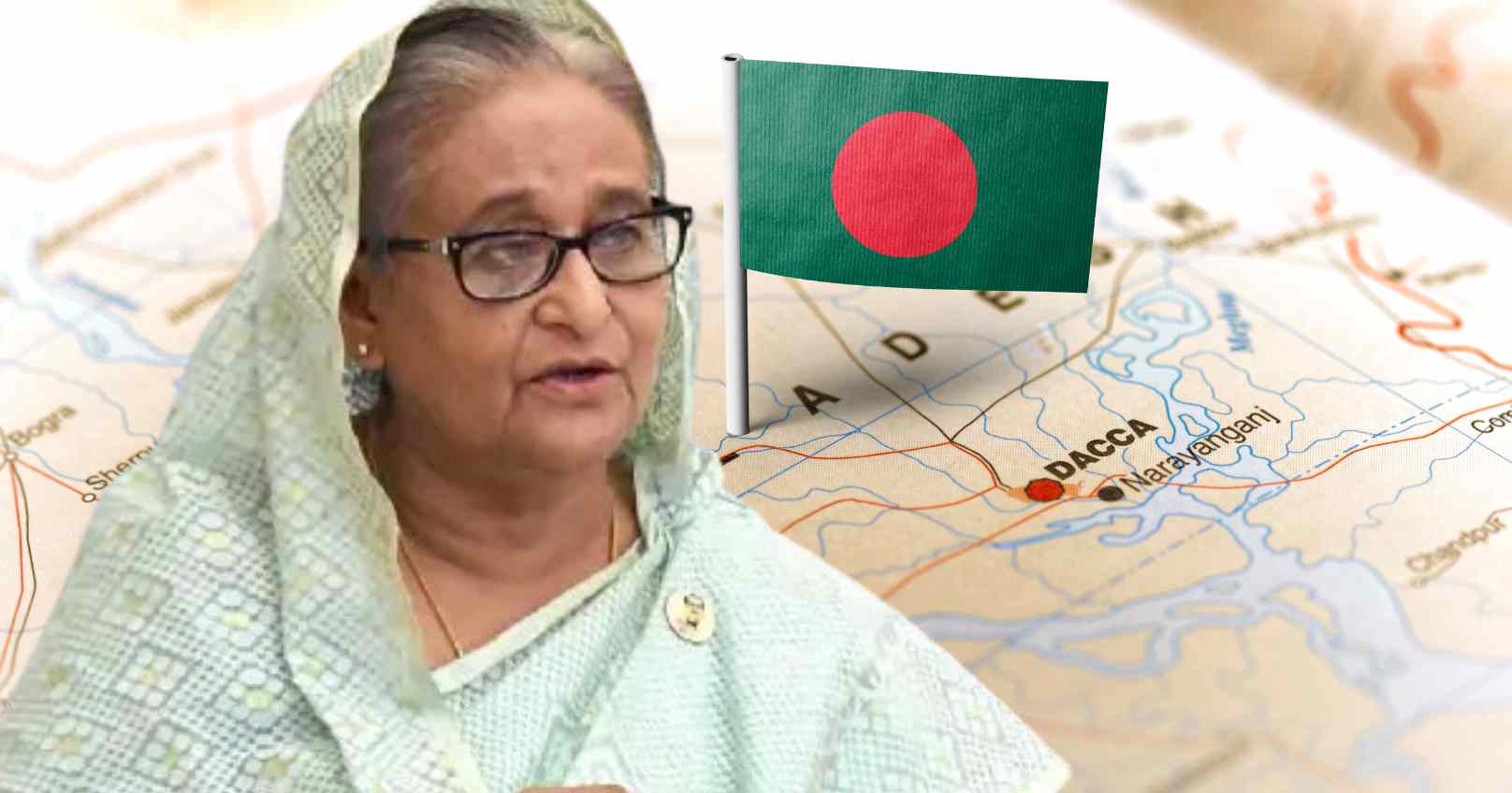
Bangladesh’s International Crimes Tribunal has handed former Prime Minister Sheikh Hasina a death sentence after finding her guilty of crimes against humanity linked to last year’s student uprising that brought down her Awami League government. The verdict concludes months of proceedings that examined allegations that Hasina ordered a nationwide crackdown on young protesters.
The three-member bench, led by Justice Mohd Golam Mortuza Majumder, also delivered judgments against two of Hasina’s close associates — former Home Minister Asaduzzaman Khan Kamal and ex-police chief Chowdhury Abdullah Al-Mamun. While the tribunal held all three responsible for orchestrating and enabling attacks on demonstrators, Mamun received a pardon after admitting his role and cooperating with investigators.
Both Hasina and Kamal were declared absconders and were tried in their absence. Mamun initially appeared in court but later turned state witness.
What the Tribunal Observed
According to the court, the former prime minister dismissed the grievances of student groups and inflamed tensions by labelling them “Razakars”, a term associated with wartime collaborators. The tribunal noted that this remark triggered widespread outrage among students, after which Hasina allegedly commanded law enforcement agencies to “neutralise” the protesters.
The judgment states that members of the Awami League’s student and youth wings, including Chhatra League and Jubo League, spearheaded violent assaults on Dhaka University students. It further asserted that security personnel used drones, helicopters and lethal weapons at Hasina’s direction to trace and target demonstrators across the country.
The tribunal concluded that Kamal and Mamun were complicit in these actions through encouragement, failure to prevent the violence, and facilitating the use of deadly force.
Hasina was convicted on three principal counts — incitement, ordering killings, and failing to prevent the atrocities. “We have decided to impose a single punishment — the death penalty,” Justice Majumder said while reading the verdict before a packed courtroom in Dhaka.
Charges Against the Former Prime Minister
Hasina and her aides faced a total of five charges, including murder, attempted murder, torture, and inhumane acts. One of the central accusations claimed she ordered the “extermination” of protesters during the July 2024 movement. A United Nations rights report previously estimated that up to 1,400 people were killed between July 15 and August 15 during the crackdown.
Now 78, Hasina has been living in India since August 2024 after leaving Bangladesh as unrest intensified. Prosecutors have described her as the chief architect of the violence, while her supporters insist the case is driven by political vendetta.
Extradition Efforts
Both Hasina and Kamal reportedly remain in India. The interim government led by Muhammad Yunus has requested Hasina’s extradition, but New Delhi has yet to make a public announcement on the matter.
Tense Situation Across Bangladesh
Security has been tightened across the country in anticipation of the ruling. Dhaka’s police chief Sheikh Md Sajjat Ali issued orders permitting officers to open fire on individuals involved in arson, bombings or attacks on law enforcement.
The dissolved Awami League had already called for a two-day shutdown, and the capital witnessed heavy deployment of military personnel, Border Guard Bangladesh units and riot police, leaving streets largely deserted amid fears of clashes.