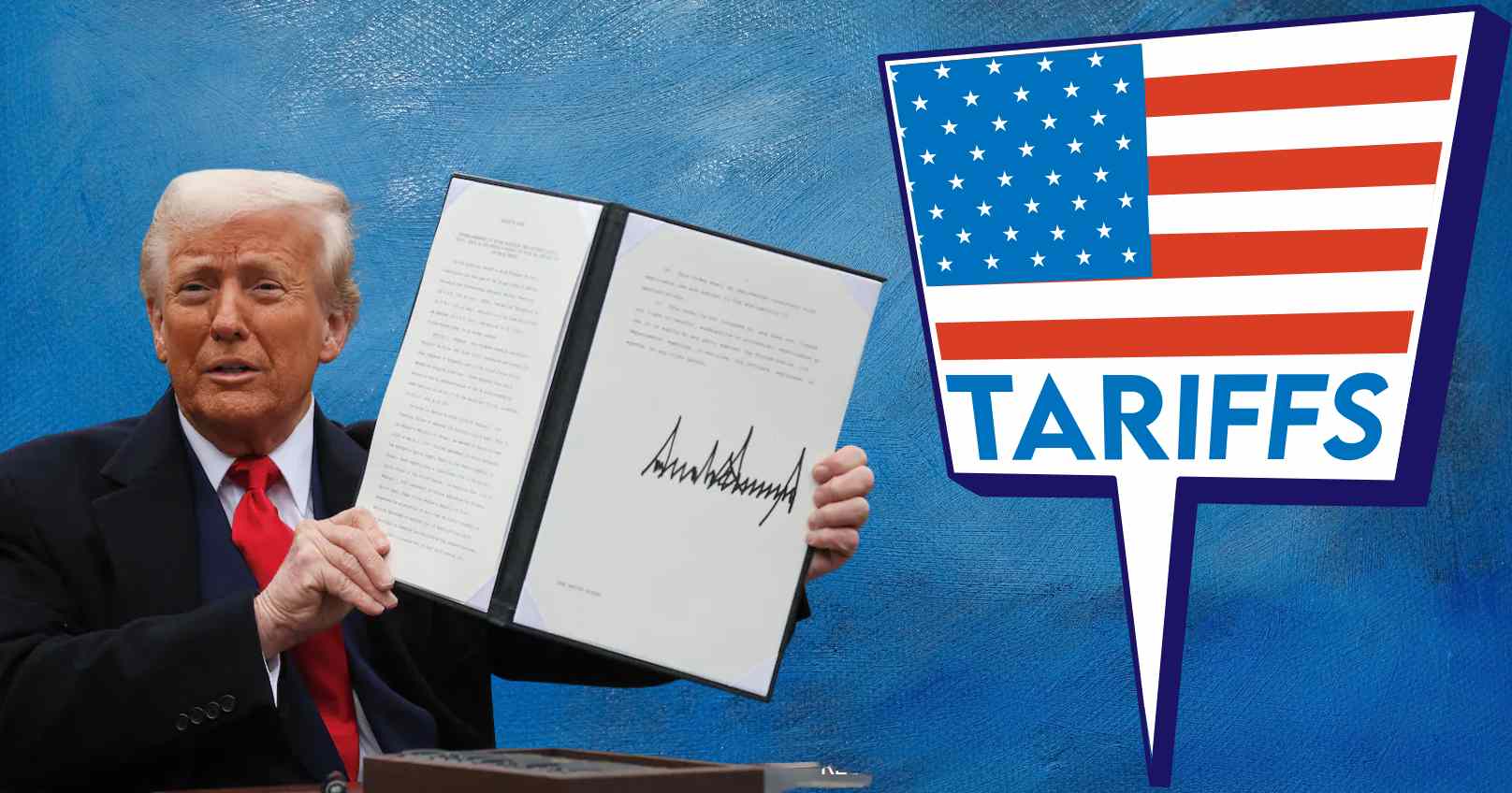
On July 31, 2025, U.S. President Donald Trump signed an Executive Order titled “Further Modifying the Reciprocal Tariff Rates,” unveiling a sweeping overhaul of America's tariff regime. The move, positioned as a recalibration of trade policies to better reflect U.S. economic and security interests, introduces a broad set of updated import duties targeting countries worldwide.
The revised tariff framework, detailed in Annex I of the order, outlines specific percentage rates applied on a country-by-country basis. These adjustments mark one of the most extensive realignments of U.S. trade policy in recent years.
More than 90 countries have been affected, with tariffs ranging between 0% and 50%, signaling a hardline approach even toward traditional allies. The recalibrated duties underscore a push for trade reciprocity and tougher stances on imbalances.
Notable Highlights:
-
India faces the steepest revised duty at 50%, reflecting recent tensions and trade disputes.
-
Laos (40%), Myanmar (40%), Syria (41%), and Switzerland (39%) are also among those hit with high tariffs.
-
Countries in the European Union are subject to rates between 0% and 15%, depending on product categories.
-
Several partners like the UK (10%), Japan (15%), and South Korea (15%) have also been impacted despite strategic and economic ties.
This tariff revision reflects the Trump administration’s continued effort to leverage trade tools for geopolitical influence and domestic manufacturing support. U.S. officials described the move as a corrective measure aimed at ensuring American exporters are not disadvantaged by asymmetric foreign tariffs.
The White House has stated that these changes are part of a larger trade realignment initiative and hinted at the possibility of further revisions based on bilateral negotiations.