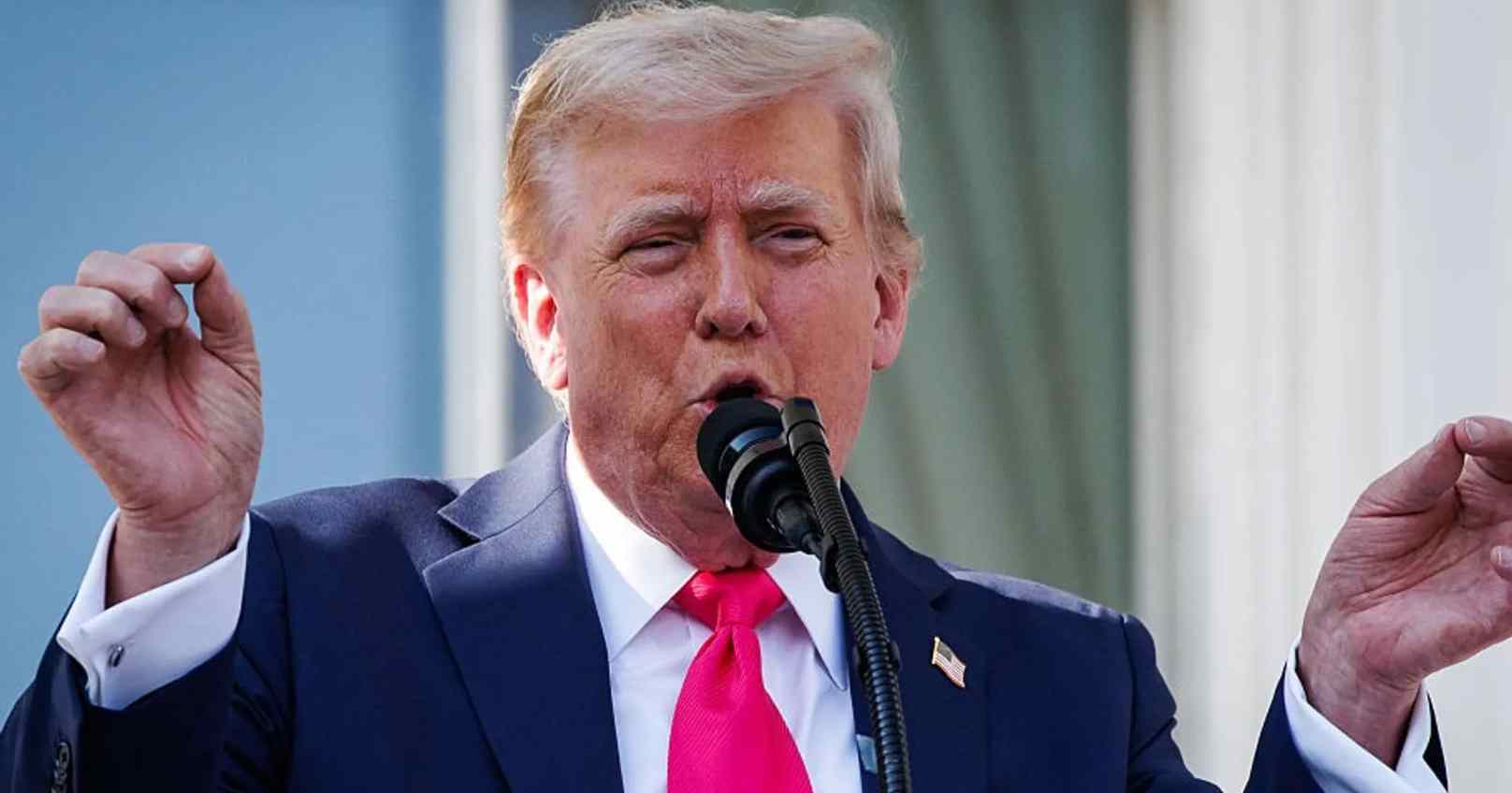
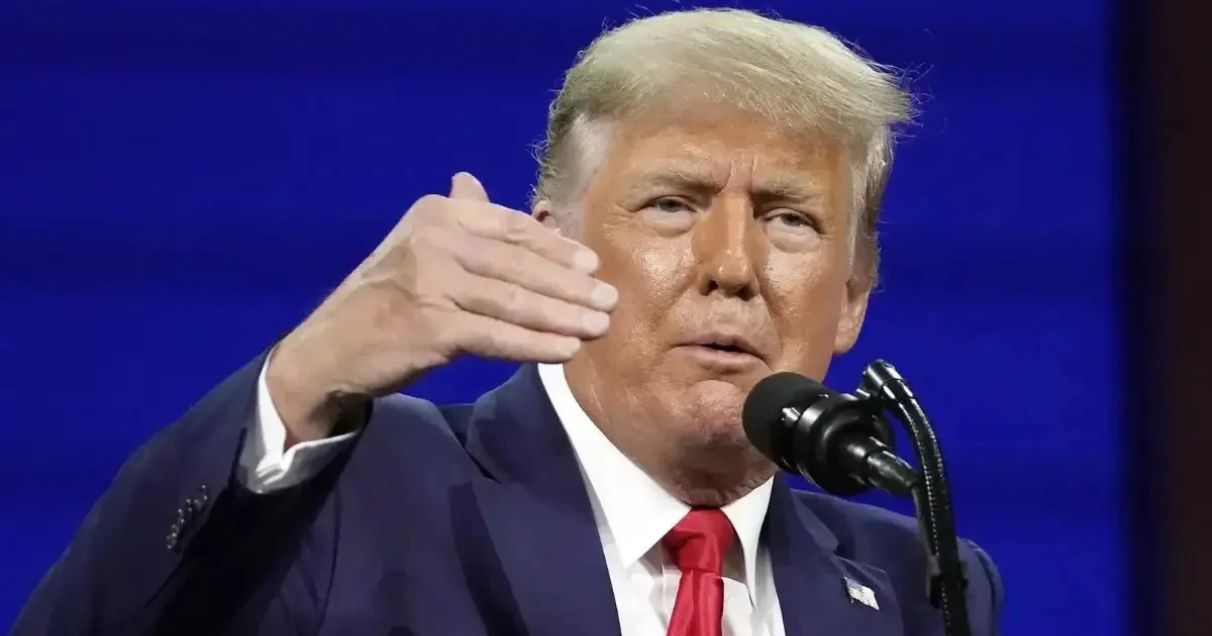
US President Donald Trump on Monday issued a strong warning to BRICS nations, threatening to impose a 10% tariff on their goods, accusing the bloc of attempting to weaken the US dollar. Speaking during a Cabinet meeting, Trump said countries that are part of BRICS — including India, China, Brazil, Russia, and South Africa — “will certainly have to pay 10%” as the group was created “to hurt us” and challenge the dominance of the dollar.
This proposed tariff is part of a broader plan by the Trump administration to push for one-on-one trade agreements. Countries that fail to reach a deal with the US could face the new duties beginning August 1.
“America’s currency will stay strong. The dollar is king,” Trump said. “If others want to go up against it, they’ll have to pay a price. And it’s a price they’re not willing to pay.”
The BRICS alliance, which represents nearly 40% of global GDP and half the world’s population, has openly criticised Trump’s tariff strategy, arguing that it violates global trade rules.
Despite ongoing trade talks between the US and India, Trump made it clear that no exceptions would be made. “India is in BRICS, so they pay 10% too. I said it a year ago, and the group began to fall apart. We’re not losing the standard — not under my watch,” he declared.
Trump's statement comes just as India and the US are closing in on a new trade pact. While both sides have made progress, disagreements persist over sectors like agriculture and dairy. An interim agreement might be signed in the coming weeks, potentially when Trump visits India in the fall. The trade deal is aimed at expanding bilateral trade to $500 billion by 2030 and increasing collaboration in areas such as defense, energy, and technology.
Republican Senator Lindsey Graham, a close ally of Trump, also announced a Senate bill that proposes a 500% tariff on countries continuing trade with Russia. India and China, the largest importers of discounted Russian oil, could be significantly affected if this becomes law.
In a series of posts on Truth Social, Trump reiterated that the new tariffs would be implemented on August 1, 2025, with no delays or extensions. “Letters have been sent out — payments begin August 1. No exceptions. No extensions,” he posted.
However, Trump hinted at possible flexibility, stating that if countries reached out with “fair” proposals, he would be open to adjustments. “If they call and want a different deal, I’ll listen,” he said. “But for years they took advantage of us. This time, we’re just asking for fairness.”
Trump also promised that his second term would see even greater gains from tariffs than his first, claiming the US had already collected over $100 billion in tariffs before the new policy had even taken effect.