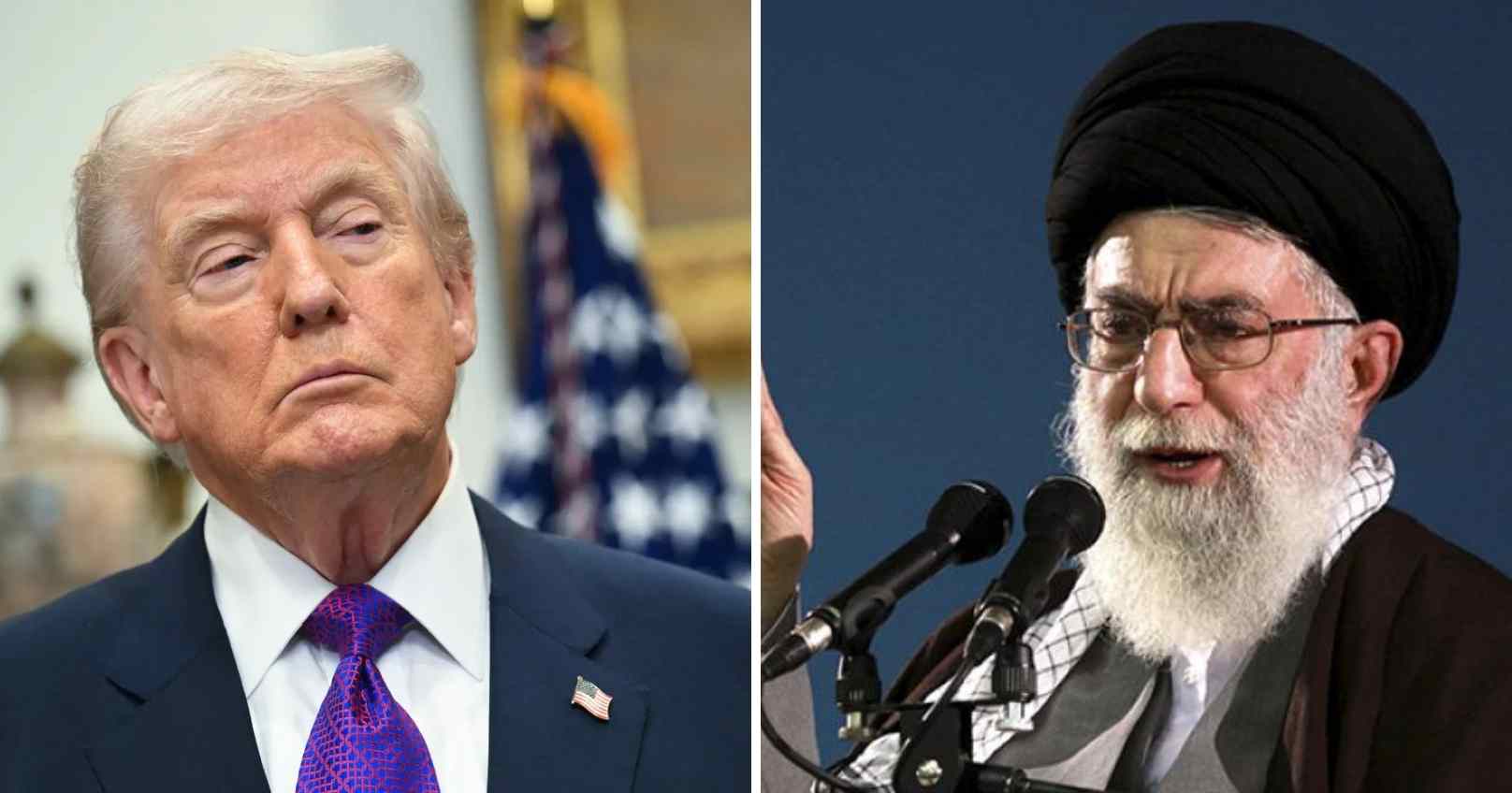
US President Donald Trump has urged Iran to enter into what he described as a “meaningful” agreement, warning that failure to do so could prompt further action from Washington. Speaking during the inaugural session of the “Board of Peace,” Trump suggested that developments over the next 10 days would be crucial and hinted that the United States could escalate its response if negotiations fall short.
He remarked that reaching a substantial accord with Tehran has historically been difficult, but stressed that an effective deal is necessary to prevent serious consequences.
Indirect discussions between the US and Iran recently resumed with mediation by Oman, following heightened tensions sparked by Washington’s criticism of Tehran’s response to protests last month. Trump also used his Truth Social platform to imply that military action remained an option. In the same context, he cautioned the United Kingdom against relinquishing control over the Chagos Islands, pointing to the strategic importance of the Diego Garcia base in the Indian Ocean should operations against Iran become necessary.
Media reports from CNN and CBS indicate that US forces could be prepared to launch strikes as early as this weekend. According to these accounts, the White House has been informed that operational plans are in place, though Trump has not yet made a final decision. Sources cited in US media suggest the president has weighed both the risks and advantages of military intervention while consulting advisers and allies.
A report by The Wall Street Journal stated that Trump has reviewed a range of military strategies, some aimed at inflicting maximum damage on Iranian leadership and infrastructure.
Iranian President Masoud Pezeshkian responded by saying his country does not seek conflict but would not submit to external pressure. He maintained that Iran would resist demands it views as undermining its sovereignty.
Even as diplomatic contacts continue, the United States has expanded its military footprint in the region. According to US officials, 13 American warships are currently deployed in the Middle East, including the aircraft carrier USS Abraham Lincoln, several destroyers, and littoral combat ships. The USS Gerald R. Ford, the Navy’s largest carrier, is en route from the Atlantic with additional escort vessels. Deploying two carrier strike groups to the region simultaneously is an uncommon move and underscores the seriousness of the situation.
The US has also repositioned advanced aircraft, including F-22 Raptors, F-15s, F-16s, and KC-135 refuelling planes, along with airborne early warning and cargo aircraft. Flight-tracking data has shown increased aerial activity across the region in recent days.
With military assets gathering and diplomatic talks delicately balanced, attention is now focused on whether negotiations will succeed — or whether Washington will opt for a more forceful path.