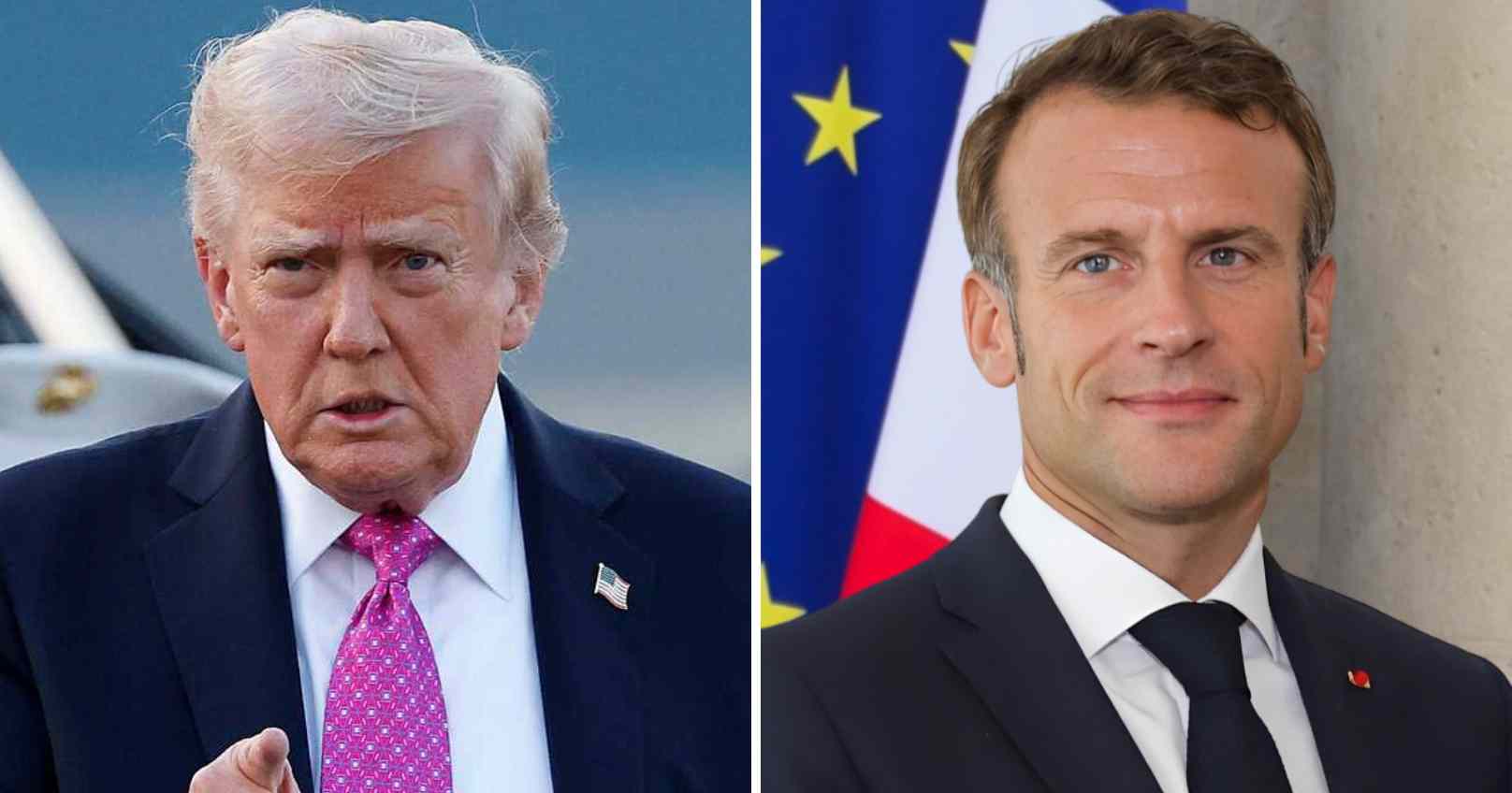
Relations between Washington and Paris took a sharp turn after US President Donald Trump warned that French wine and champagne could face a staggering 200 per cent import duty. The threat followed indications that France may decline Trump’s invitation to participate in a newly proposed global forum dubbed the “Board of Peace.”
In a strongly worded statement, Trump suggested the punitive tariffs would compel French President Emmanuel Macron to reconsider his position. “I’ll put a 200 per cent tariff on his wines and champagnes. And he’ll join — though he doesn’t have to,” Trump said, making clear that economic pressure was on the table.
The proposed board was initially linked to plans for post-war reconstruction in Gaza, but its mandate appears broader, extending beyond the Palestinian territories. French officials have expressed reservations, saying the initiative lacks clarity and stretches beyond its original purpose.
Adding to the controversy, Trump shared what he described as a private message from Macron concerning Greenland. In the message, the French leader reportedly said he agreed with Trump on issues related to Iran and Syria, but questioned the US president’s intense focus on acquiring Greenland from Denmark. Macron also suggested a meeting on the sidelines of the World Economic Forum in Davos, proposing to include representatives from Ukraine, Denmark, Syria and Russia, along with a personal invitation to dinner.
Tensions were further inflamed after France publicly ridiculed remarks made by US Treasury Secretary Scott Bessent, who defended Trump’s Greenland ambitions by citing potential future security threats in the Arctic. The French foreign ministry issued a sarcastic response on social media, comparing the logic to burning a house to prevent a possible fire.
Paris has formally pushed back against Trump’s tariff warning. A source close to Macron described the threat as both “unacceptable” and “ineffective,” arguing that trade measures should not be used to dictate France’s foreign policy choices.
The diplomatic clash highlights widening differences between the long-time allies over security strategy, Arctic geopolitics and the limits of economic coercion.