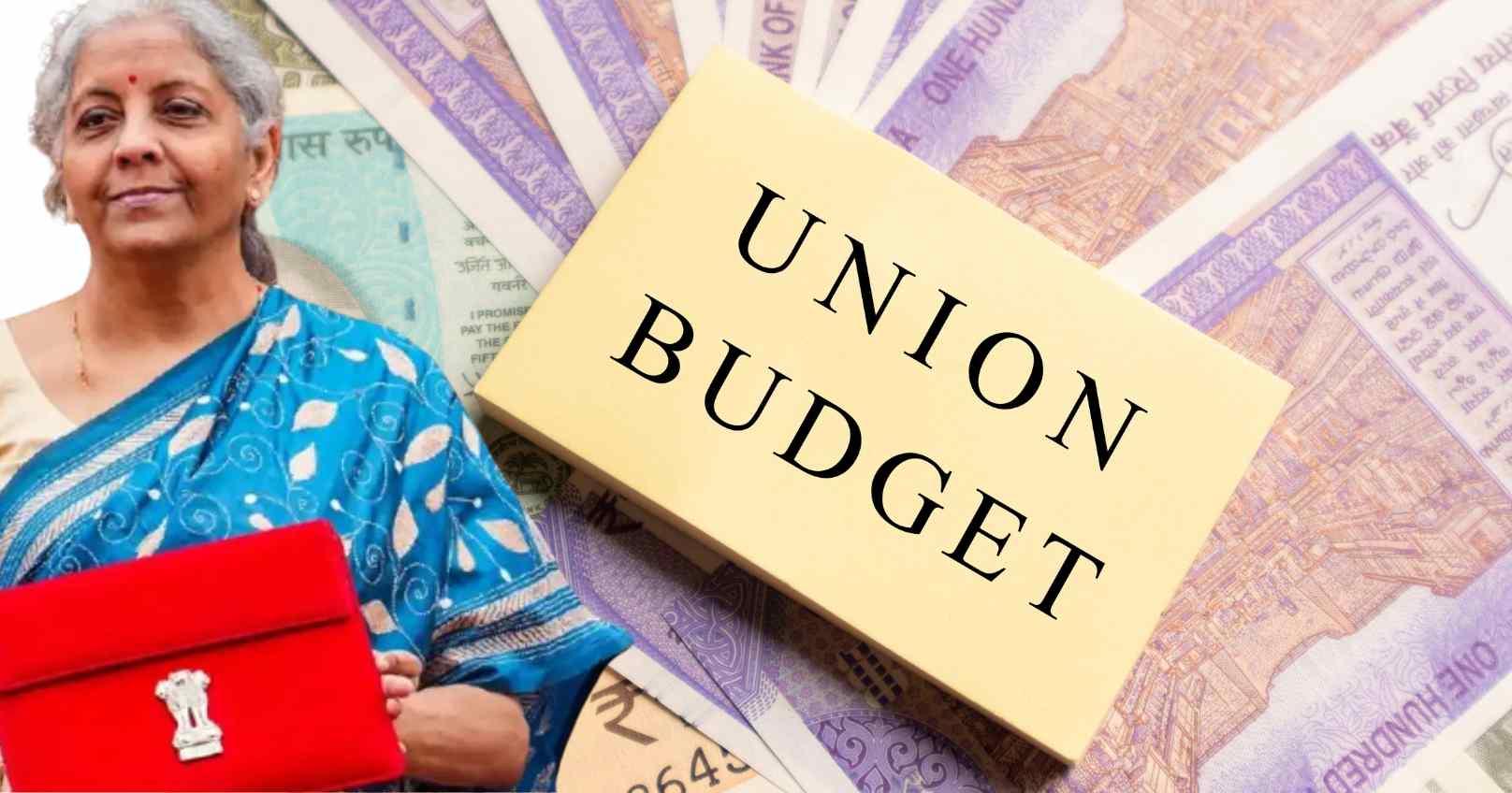
Union Budget 2026 May Redefine Tradition with Long-Term Economic Vision
Finance Minister Nirmala Sitharaman is expected to present a Union Budget that shifts focus from routine tax changes to a broader roadmap for India’s economic future
31-01-2026

This year’s Union Budget is likely to mark a historic shift in format and intent, breaking away from a decades-old convention. According to sources, Finance Minister Nirmala Sitharaman is expected to use the second part of her Budget speech to lay out an expansive vision for India’s long-term economic direction.
Traditionally, the core policy and economic strategy were delivered in the first segment of the Budget address, while the latter portion largely focused on taxation and technical policy updates. In contrast, this year’s presentation is expected to use Part B to highlight both immediate priorities and long-range national goals, as India moves deeper into the 21st century with growing global aspirations and domestic strengths.
Economic experts across India and internationally are closely monitoring the Budget, anticipating a strategic blueprint that goes beyond routine fiscal announcements.
If delivered, this would be Sitharaman’s ninth consecutive Budget. Since her first Budget in 2019 — when she symbolically replaced the traditional leather briefcase with a red-cloth-bound ‘bahi-khata’ — the presentation style has continued to evolve. This year’s Budget will once again follow a paperless format, continuing a practice adopted over the past four years.
With India nearing its fiscal consolidation targets and aiming to keep the deficit under 4.5% of GDP by FY2026, investors and analysts will be looking for guidance on managing the debt-to-GDP ratio in FY2027. Market participants will also watch closely for a concrete fiscal deficit projection for the upcoming financial year.
The government’s current capital spending plan stands at ₹11.2 lakh crore, and expectations suggest that capital expenditure will remain a priority, potentially rising by 10–15%, as private investment activity remains cautious.
Projected nominal GDP growth figures for FY2027 — estimated between 10.5% and 11% — will offer insights into inflation trends and future economic momentum. Attention will also be on allocations for major welfare programs and priority sectors such as healthcare and education.

Donald Trump has again claimed that threats of 250 per cent tariffs helped stop the 2025 India-Pakis
Read More
The BJP has alleged a rift between Rahul Gandhi and Priyanka Gandhi Vadra over the removal of photog
Read More
Sonia Gandhi has joined X with a memory of meeting Rajiv Gandhi in Cambridge, introducing her upcomi
Read More