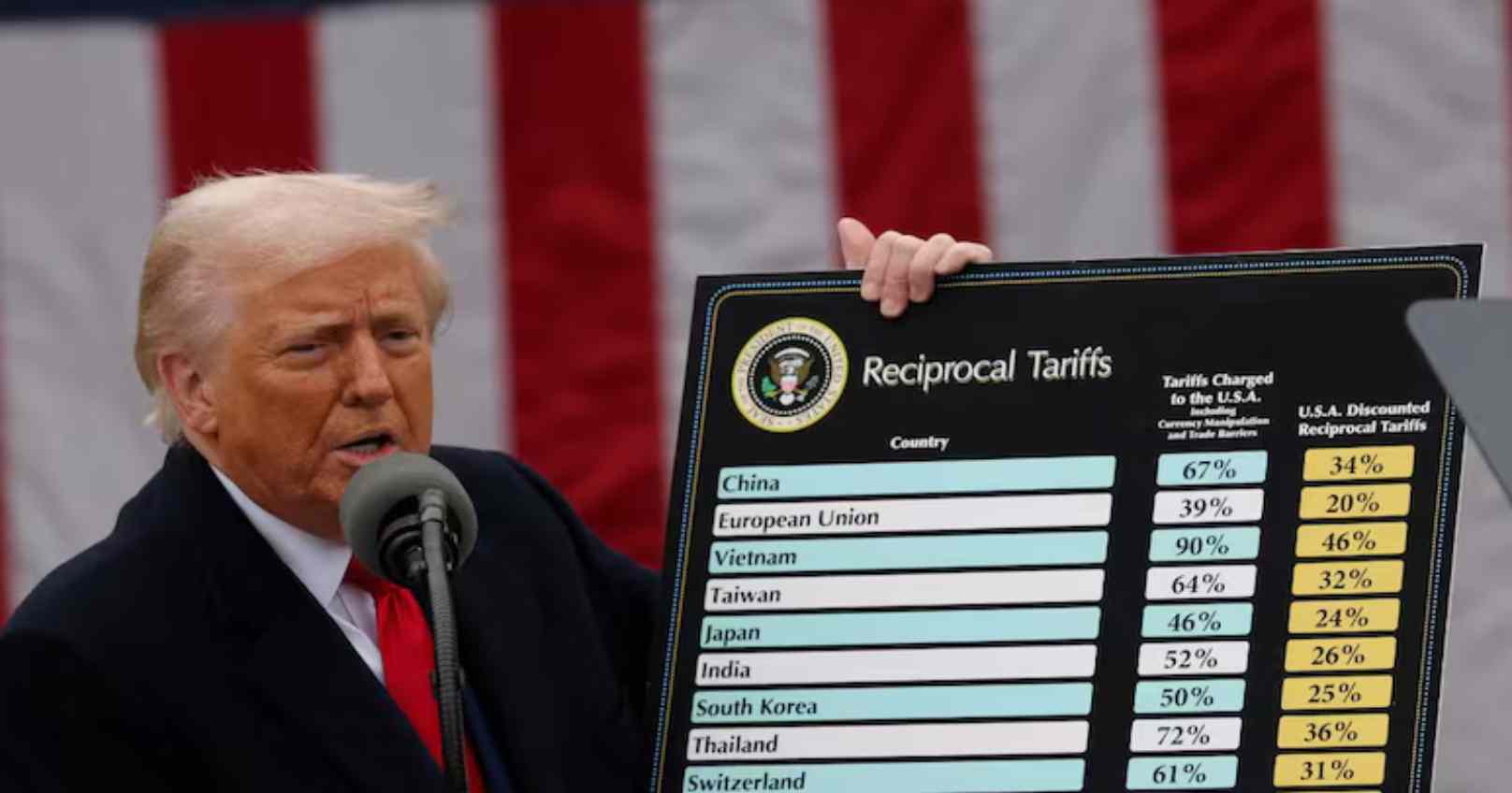
In a significant legal setback for Donald Trump, the Supreme Court of the United States has invalidated a series of tariffs introduced during his presidency, concluding that the executive branch exceeded its statutory limits.
The justices, in a 6–3 ruling, determined that the administration improperly relied on the International Emergency Economic Powers Act (IEEPA) to justify broad import duties. The law, enacted in 1977, was designed to address national emergencies involving foreign threats—not to serve as a general mechanism for trade policy.
In its opinion, the Court stated that if Congress had intended to grant the president sweeping tariff powers under IEEPA, it would have done so explicitly. The ruling underscored that tariff-setting authority traditionally rests with Congress under the US Constitution, reinforcing the separation of powers between the legislative and executive branches.
Throughout his tenure, Trump defended the tariffs as essential to protecting American industries and strengthening national security. He frequently described them as a necessary tool to counter unfair trade practices and reduce reliance on foreign supply chains.
However, economic assessments painted a complex picture. Estimates from the Congressional Budget Office projected that the broader tariff regime could carry a long-term economic impact amounting to trillions of dollars over the coming decade. Federal revenue data indicated that more than $133 billion had been collected through import duties imposed under the emergency powers statute.
The ruling may open the door for legal challenges from corporations that paid the contested tariffs. Several companies, including retail giant Costco, have already sought refunds through the courts, arguing that the levies were unlawfully imposed.
The decision is expected to have lasting implications for presidential trade authority, potentially limiting how future administrations use emergency economic powers in shaping tariff policy.