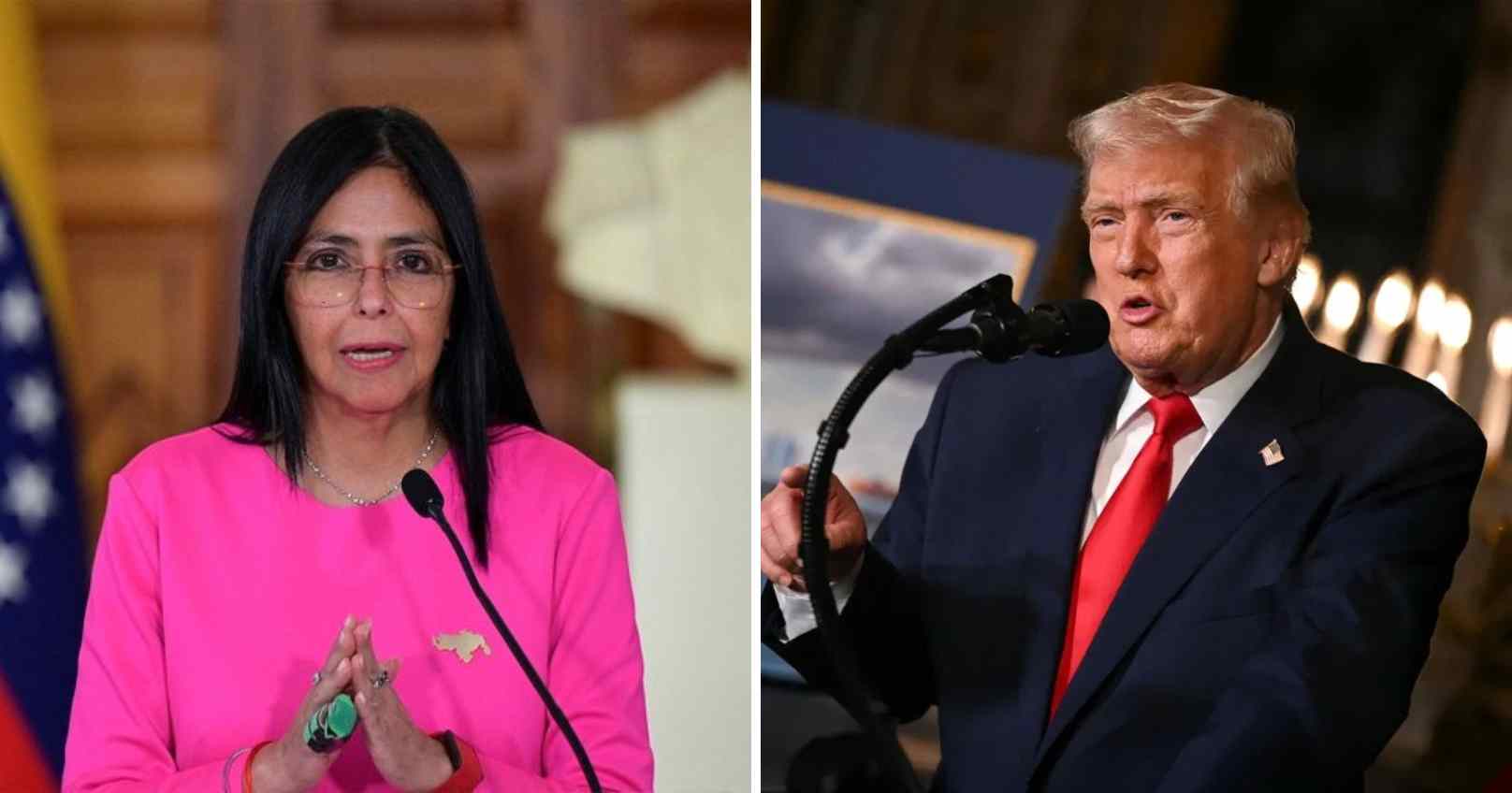
Venezuela’s interim president Delcy Rodríguez has strongly rejected accusations from the United States on drug trafficking, democratic backsliding and human rights abuses, calling them “invented narratives” designed to mask what she described as Washington’s underlying interest in Venezuela’s oil wealth.
Speaking during a nationally televised address on state broadcaster VTV, Rodríguez said external pressure on Caracas was rooted in what she termed “energy ambition from the North,” rather than genuine concern for governance or security. According to her, allegations related to narcotics, democracy and human rights were repeatedly used as justifications to pursue control over Venezuela’s natural resources.
Rodríguez said Venezuela remains willing to engage in energy cooperation, but only under arrangements that are mutually beneficial and clearly structured within commercial agreements. She stressed that Caracas is open to partnerships that respect sovereignty and deliver gains to all sides.
At the same time, she acknowledged that relations between Venezuela and the US are currently at their lowest point. Addressing members of the National Assembly, Rodríguez described the bilateral relationship as carrying an unprecedented “scar,” reflecting the depth of the current diplomatic rupture.
The interim president also announced plans to introduce legislation aimed at restoring political stability and social cohesion within the country. She urged political groups across the spectrum to work together, warning that extremist and authoritarian tendencies had previously pushed the nation into dangerous territory. According to Rodríguez, long-term peace would require programs focused on dialogue, coexistence and national unity.
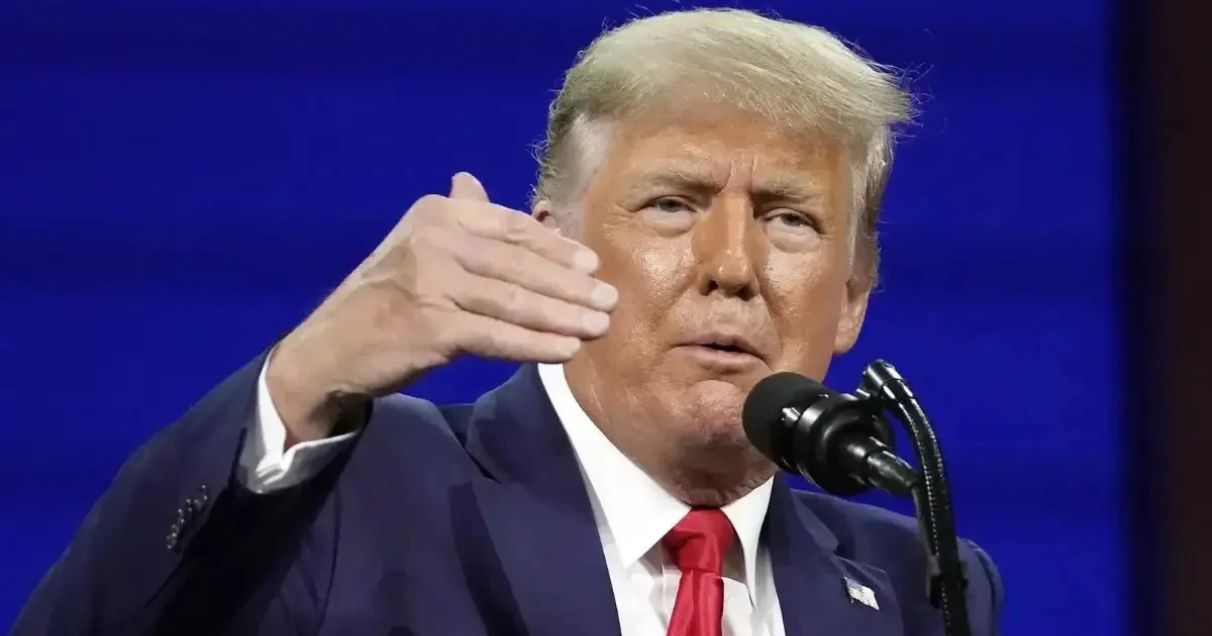
Her comments followed remarks by US President Donald Trump, who said Venezuela would use revenue generated from a new oil arrangement to purchase goods manufactured solely in the United States. Trump said these purchases would include American agricultural products, medicines, medical equipment and technology needed to upgrade Venezuela’s power and energy infrastructure.
Trump described Venezuela’s commitment to trade primarily with the US as a practical and mutually advantageous move, framing it as a cornerstone of a new economic relationship between the two countries.