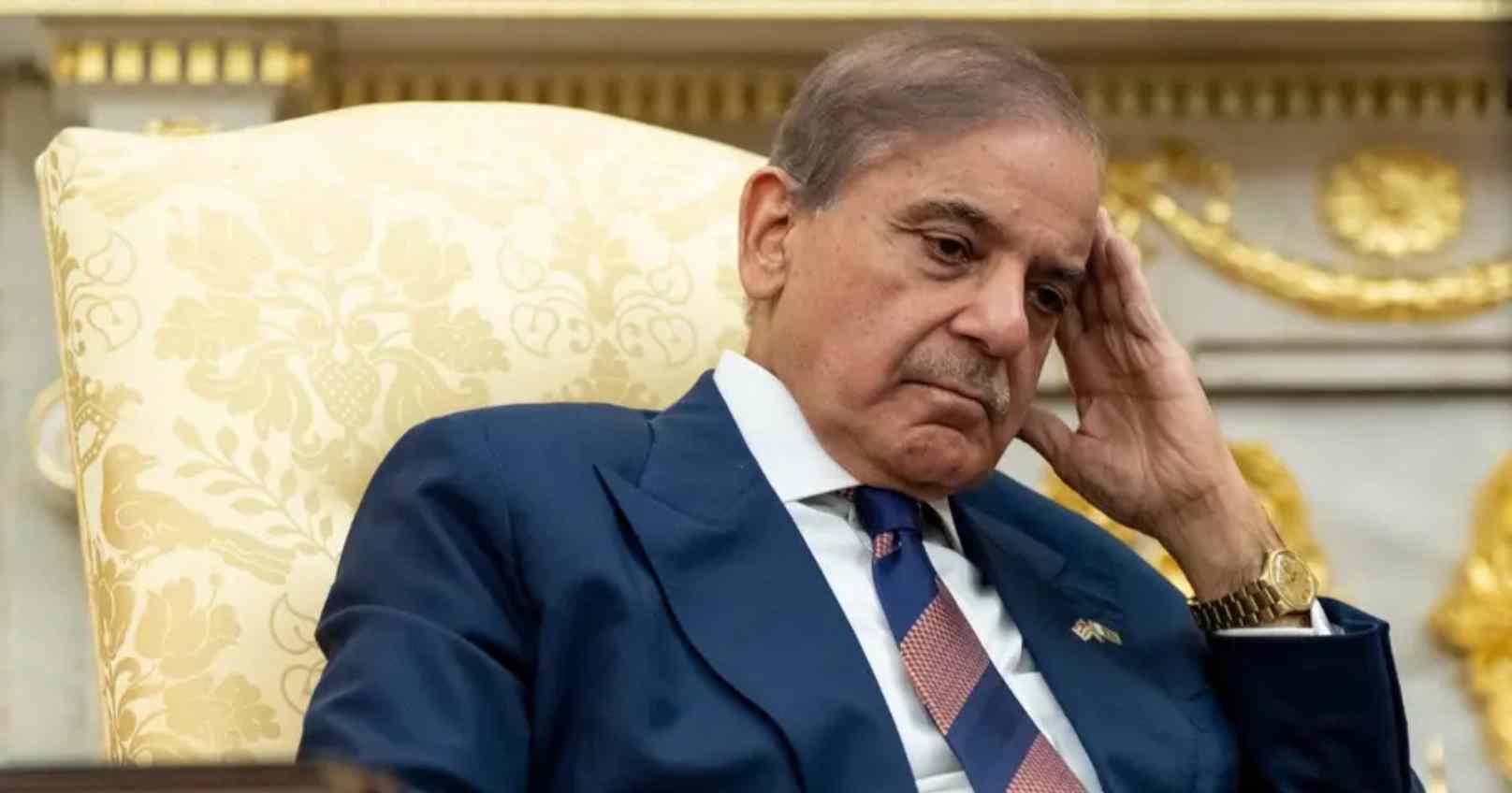
Pakistan’s Prime Minister Shehbaz Sharif has made a rare and candid acknowledgment that he, along with the country’s Army Chief Field Marshal Asim Munir, traveled abroad to secure financial assistance as the nation grappled with economic hardship.
Speaking to leading Pakistani exporters in Islamabad on Friday evening, Sharif reflected on the difficult financial decisions his government has been forced to make due to economic pressures. While noting that Pakistan’s foreign exchange reserves have improved, he emphasized that much of the progress has been supported by loans from friendly nations.
Sharif remarked that seeking external financial aid comes at a cost to national pride, describing the experience as personally and politically uncomfortable. He explained that reliance on international loans often brings conditions that limit the country’s freedom to make independent decisions.
These comments come as Pakistan continues negotiations with the International Monetary Fund (IMF) to strengthen economic stability and promote long-term growth following a period of strict fiscal and monetary reforms.
The Prime Minister also stated that his administration has directed the central bank and finance authorities to make it easier for businesses and industries to access funding, with a focus on boosting industrial expansion and supporting economic activity. He urged policymakers to engage closely with business leaders and adopt forward-looking financial strategies.
Recently, Pakistan secured approximately $1.2 billion from the IMF under an ongoing financial assistance program, along with additional climate-related funding. These inflows have helped ease debt obligations and rebuild foreign currency reserves.
The State Bank of Pakistan has projected that foreign reserves could exceed $20 billion by December — potentially reaching a historic high. However, the IMF-backed framework requires the government to maintain tight control over spending and continue disciplined monetary policies.
Earlier this week, Pakistan’s central bank opted to keep its benchmark interest rate unchanged at 10.5%, citing inflation risks, while forecasting economic growth between 3.75% and 4.75% for the current fiscal year.
Sharif added that his economic team, led by Finance Minister Muhammad Aurangzeb, has presented a strong case to international lenders, emphasizing that Pakistan’s next priorities include job creation, poverty reduction, and sustainable economic development.