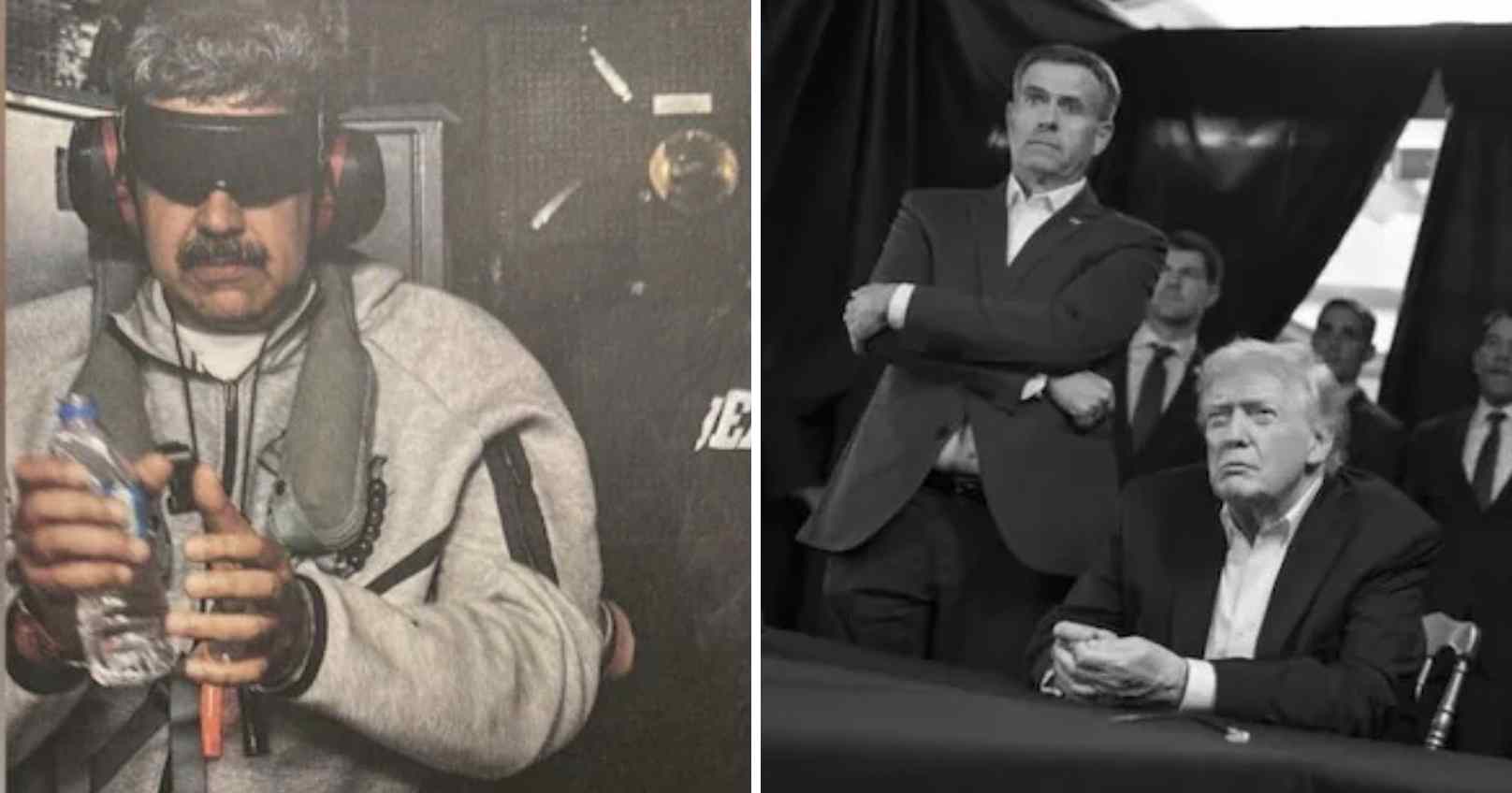
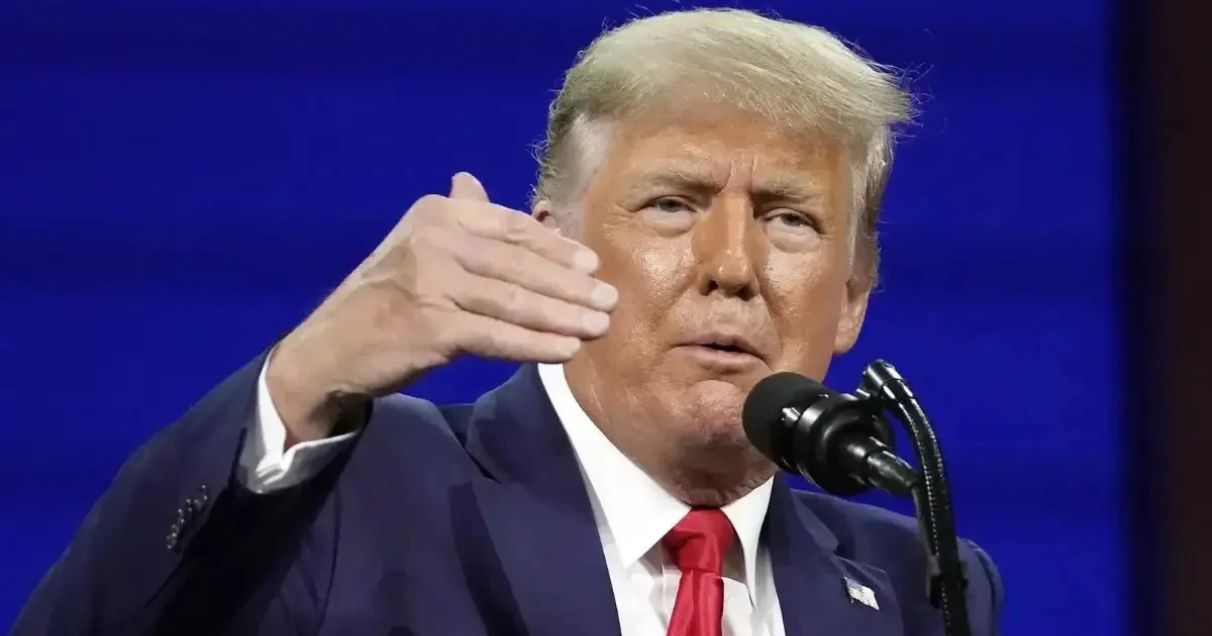
Residents of Venezuela’s capital were startled awake by a burst of loud blasts and the thunder of aircraft flying unusually low in the early hours of the day. Not long after, an extraordinary announcement emerged from the United States, where President Donald Trump declared that American forces had carried out a major military action in Venezuela and taken President Nicolás Maduro into custody.
Posting on his social media platform, Truth Social, Trump said the operation resulted in Maduro being removed from the country in coordination with US law enforcement agencies. The statement marked a sharp escalation in Washington’s long-standing confrontation with Caracas, a government the US has consistently refused to recognise as legitimate. Trump framed the action as part of a broader campaign tied to migration control, drug trafficking and national security concerns.
Reasons Cited by Washington
US officials have repeatedly argued that Venezuela plays a central role in irregular migration toward the United States. Trump has claimed that political repression and economic collapse under Maduro triggered one of the largest displacement crises in the region, with millions of Venezuelans leaving the country over the past decade. He has also alleged, without offering proof, that criminals were deliberately pushed toward the US—an accusation firmly denied by Caracas.
Drug trafficking formed the second pillar of Washington’s justification. Trump has accused Venezuela of acting as a key transit hub for cocaine and of contributing to America’s fentanyl crisis. His administration has designated criminal networks such as Tren de Aragua and the so-called Cartel de los Soles as terrorist organisations, alleging links between these groups and senior figures in the Venezuelan leadership—claims the Maduro government rejects outright.
Caracas maintains that the US is exploiting anti-narcotics rhetoric to justify an attempt at regime change.
What Happened on the Ground
Trump described the mission as a swift, high-impact operation, saying Maduro and his wife were detained and flown out of Venezuela. He praised US forces for what he called meticulous planning and execution, promising further details in a later briefing.
In Caracas, residents reported power outages near military facilities, explosions in multiple locations and the presence of aircraft overhead. Footage shared by international media appeared to show smoke, tracer fire and disturbances both in the capital and along the coast. Venezuelan authorities accused the US of targeting civilian and military infrastructure and urged supporters to mobilise, declaring the country was facing an external threat.
Escalation Before the Strikes
In the months leading up to the operation, the US significantly increased its military footprint in the Caribbean, deploying naval and air assets, including an aircraft carrier. Washington also tightened pressure through maritime actions, seizing oil tankers and striking boats it said were linked to narcotics trafficking. Trump acknowledged that infrastructure allegedly used by drug smugglers had been destroyed, marking what he described as the first confirmed US strike on Venezuelan territory during the campaign.
The US government says it considers itself engaged in an armed conflict with transnational drug networks. Maduro, however, has denied all allegations of involvement in organised crime and accused Washington of seeking control over Venezuela’s vast oil reserves. He has pointed to recent offers of cooperation on migration and anti-drug efforts as evidence that diplomacy, not force, was possible before the strikes.