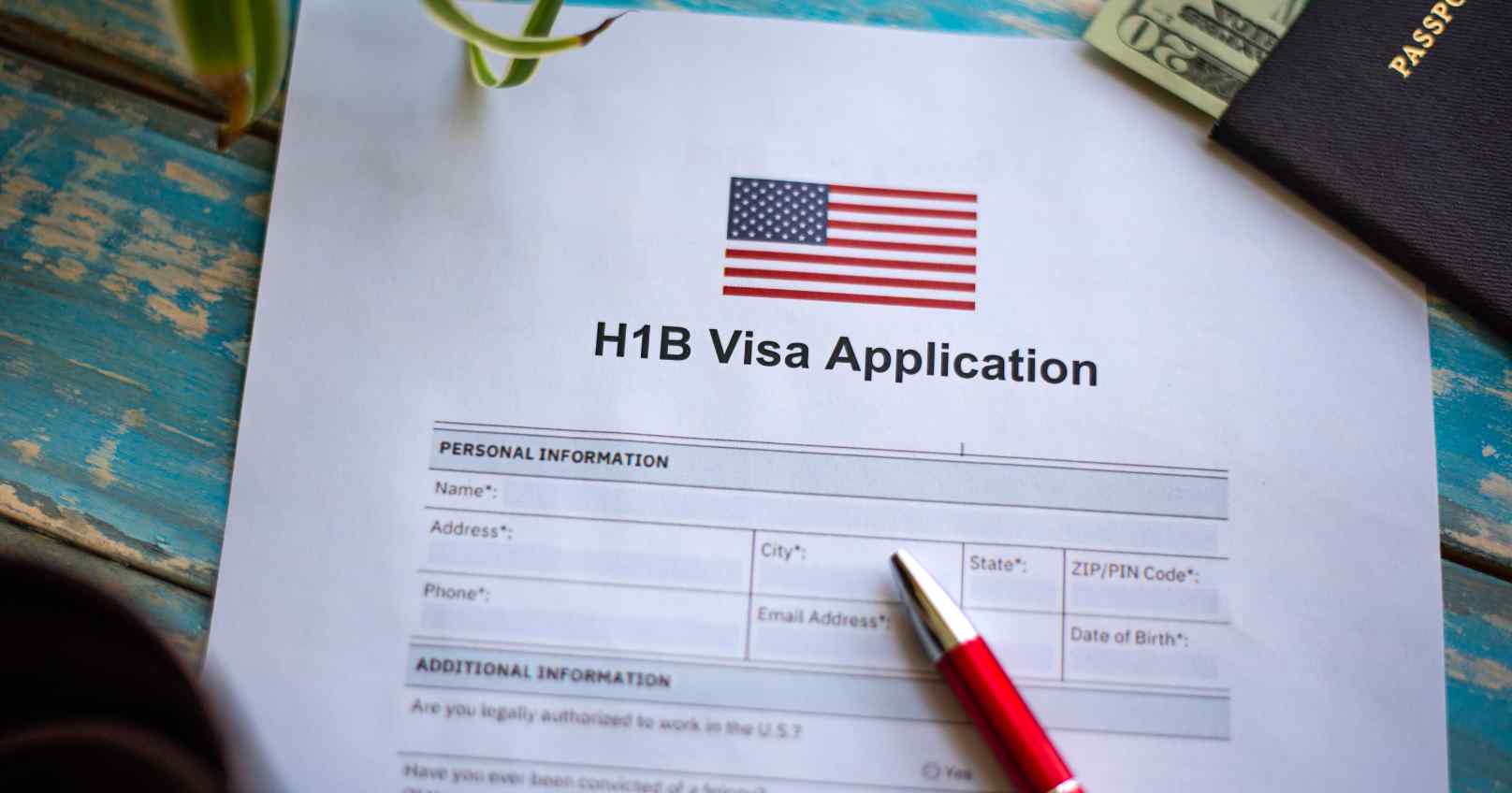
The White House on Monday signaled that physicians may be spared from the Trump administration’s newly announced USD 100,000 application fee for high-skilled H-1B visas.
In comments to Bloomberg News, spokesperson Taylor Rogers clarified that “the Proclamation allows for potential exemptions, which can include physicians and medical residents.” The remark followed strong objections from hospitals and medical associations, which warned the steep cost would worsen existing staffing shortages.
The H-1B visa program is considered vital for the U.S. healthcare system, particularly in underserved areas where hospitals often rely on international doctors and medical trainees. According to data from the nonprofit health research group KFF, more than 76 million Americans live in regions officially classified as lacking primary care physicians.
Dr. Bobby Mukkamala, President of the American Medical Association (AMA), cautioned that the fee “threatens to cut off the supply of highly trained doctors that patients depend on,” especially in rural areas. He emphasized that foreign medical graduates form “a critical part of our physician workforce.”
Immigration records show leading institutions such as Mayo Clinic, Cleveland Clinic, and St. Jude Children’s Research Hospital rank among the top H-1B visa sponsors. Mayo alone has over 300 active approvals. For such organizations, the new cost could translate into millions of dollars in added labor expenses.
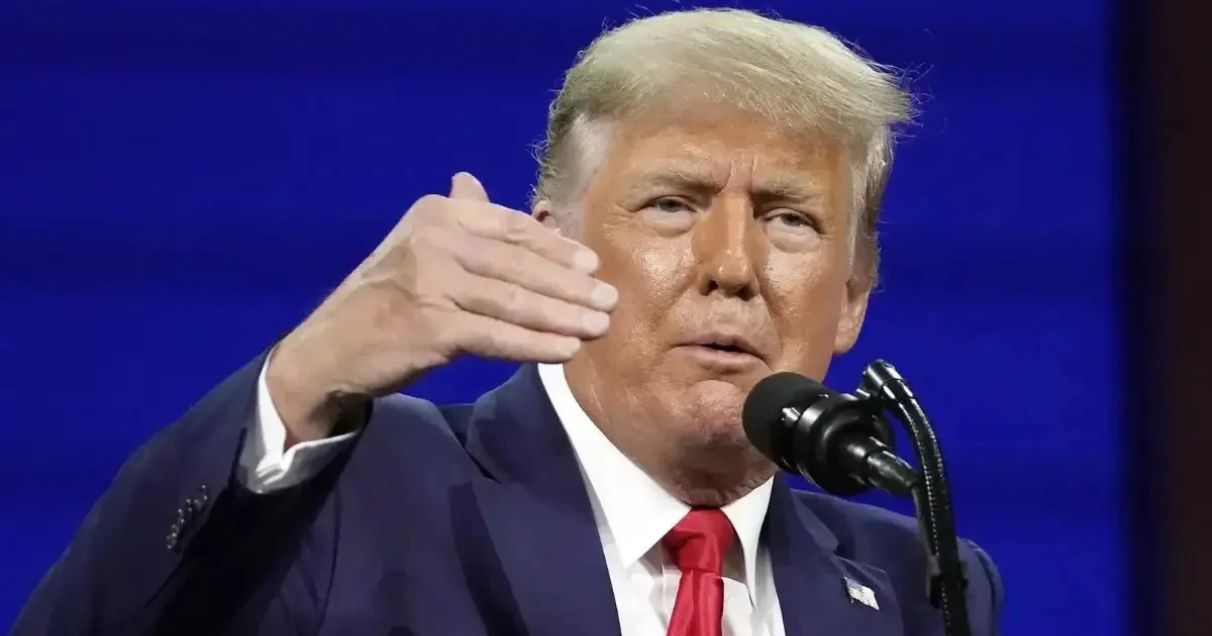
President Donald Trump signed the order on September 19, imposing a one-time USD 100,000 charge on new H-1B petitions filed from September 21 onward. The administration argued the measure would ensure only “exceptionally skilled” professionals are admitted, while discouraging companies from hiring foreign workers at the expense of Americans.
Commerce Secretary Howard Lutnick described the change as a correction to earlier policies that allowed individuals “earning below-average wages and relying on public benefits.” He added the rule would filter out the “bottom quartile” of applicants while generating over USD 100 billion in government revenue.
The news rattled employers and visa holders alike, particularly in India, which accounted for roughly 71 percent of H-1B approvals in 2024. Many Indian professionals rushed to return to the United States, fearing uncertainty.
India’s USD 250-billion IT services industry — led by Infosys, Wipro, TCS, and Cognizant — has long depended on H-1B visas to staff U.S. projects. With visas typically valid for three years and renewable up to six, the new fee could make it far more costly for firms to deploy engineers and developers, further lengthening already decades-long waits for permanent residency.
The ripple effects are expected to be significant. While critics say the move could deter global talent and slow innovation, supporters argue it will prevent wage suppression and push employers to invest in local graduates.
Shares of Indian IT companies listed in the U.S. dropped 2 to 5 percent following the announcement, Reuters reported. Investors expressed concern over the impact on the tech sector, which is one of the largest users of H-1B visas.
A White House memo accused certain IT firms of exploiting the system to the detriment of American workers. At the same time, officials stressed that exemptions could be granted on a case-by-case basis if judged to be in the national interest. Physicians and medical residents appear likely to be among those considered.
While President Trump has defended the fee as a safeguard for U.S. jobs, healthcare leaders warn that cutting off foreign medical talent could strain a system already struggling with severe shortages of primary care doctors.